The Clock Keeps Trucking
A semi stopped on the shoulder can create real trouble beyond just blocking traffic. Even before the driver even finishes the first call to dispatch. Traffic keeps moving, the delivery clock keeps running, and the receiver may still expect that load at the dock on time. That is where I-95 heavy towing becomes more than a roadside service call.
A disabled vehicle affects the driver, the freight, the customer, and the next route waiting behind it. We have seen a truck move from the shoulder to a shop fairly quickly, while the freight schedule still unraveled for the rest of the day. The tow itself may be straightforward. The downtime rarely is.
The Costs Do Not Stay on the Repair Invoice
Repair, parts, towing, and storage are the easy costs to count. A fleet can see those charges in black and white. The quieter losses come from missed dock times, driver hours, broker calls, late fees, and the scramble to find another tractor if the trailer still needs to move.
Some loads cannot wait long. Refrigerated freight needs temperature checks. Sealed trailers may need approval before transfer. A bus, box truck, or tractor-trailer with brake or suspension damage may need a different plan than a clean mechanical breakdown. The longer the unit sits, the more people get pulled into the problem.
Interstates Add Pressure to Heavy Truck Breakdowns
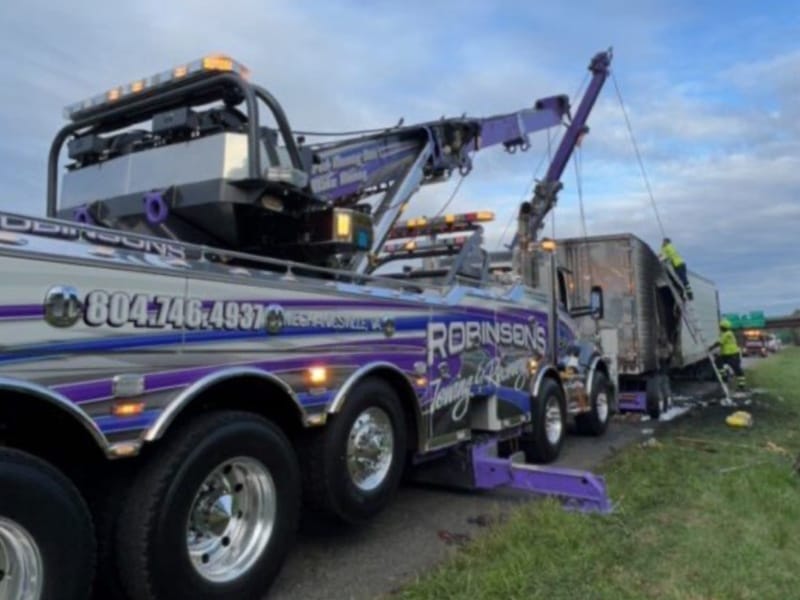
The I-95 corridor does not give crews much room for guesswork. Traffic speed, shoulder width, ramps, bridges, and weather all affect where we place the truck and how we set up the job. Rain can turn a shoulder slick fast. A disabled semi near a ramp can create a backup before anyone gets a chain out.
Good dispatch details help us send the right response. We ask for mile markers, travel direction, truck type, trailer type, cargo details, visible damage, and where the unit sits in relation to traffic. A truck blocking a lane needs a different response than one sitting fully on the shoulder. A rolled unit, shifted load, or damaged bus changes the plan again.
Heavy Towing Helps Control the Next Move
A good recovery plan looks past the first pull. With I-95 heavy towing, we need to know where the tractor should go, what should happen to the trailer, and how quickly the fleet needs the freight moving again. A wrong drop point can create another tow, another driver delay, and another round of phone calls.
Quick Clearance Work Has a Business Side Too
Robinson’s Towing participates in the VDOT Quick Clearance program, so we know how much a blocked lane can affect more than the driver who broke down. A disabled tractor-trailer can slow commuters, emergency vehicles, delivery routes, and other commercial drivers working the same corridor. Clearing the scene matters, but the truck still has to go somewhere useful.
That is one reason I-95 heavy towing needs clear communication between the driver, fleet, roadway crews, and repair destination. Moving a truck off the travel lane solves the first problem. Taking it to a shop that cannot work on it may start the next one. We would rather ask more questions up front than send a fleet into a second delay.
Robinson’s Towing: Keeps I-95 Heavy Towing For Reduced Trucking Downtime
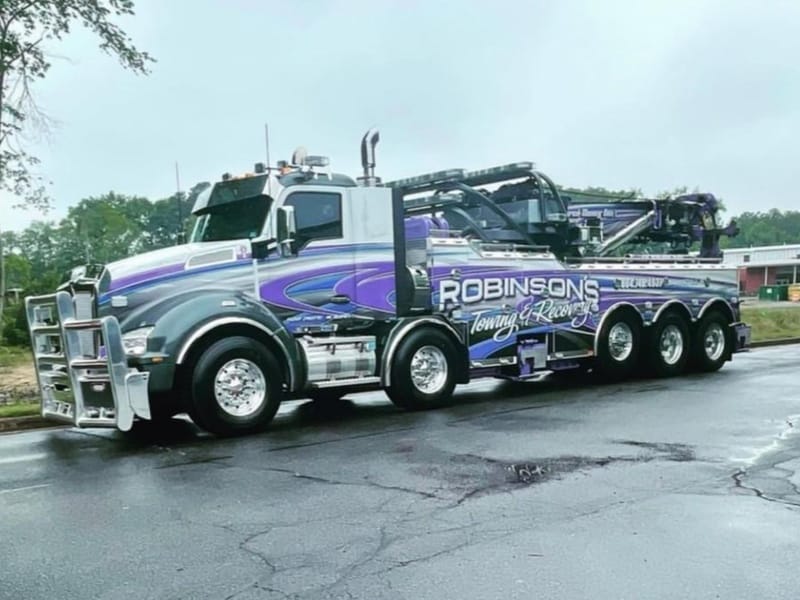
Robinson’s Towing & Recovery carries a long history in Mechanicsville, Virginia, starting with Mr. Robinson, known by many as “The Bus Man.” That background still shapes how we handle buses, cars, emergency calls, tractor-trailers, heavy equipment hauling, and recovery work across the region. Our I-95 heavy towing service uses trained operators, heavy wreckers, recovery trucks, and the kind of local roadway knowledge that comes from years of work with Hanover County Sheriff, Henrico County Sheriff, Virginia State Police, and VDOT partners.
Our I-95 heavy towing team answers calls day and night, and our dispatch process starts with the facts that affect downtime: vehicle type, cargo, road position, damage, and destination. Some calls need a straight heavy tow. Others need recovery, traffic coordination, equipment hauling, or a plan to separate the tractor and trailer. I-95 heavy towing is about moving the truck, protecting the freight plan, and helping the customer get the next step handled without losing more hours than the breakdown already took.
FAQs
How much does truck downtime usually cost?
The cost depends on the load, driver pay, repair delay, and delivery deadline. Late fees, storage, and missed appointments can add up quickly.
Can a semi be towed if the trailer is still loaded?
Yes, many loaded tractor-trailers can be towed. The operator needs to check weight, brakes, suspension, cargo type, and road position before moving it.
Why would a towing company ask about the cargo?
Cargo affects weight, balance, urgency, and transfer options. Refrigerated, sealed, oversized, or fragile freight may need extra planning.
What should a driver do while waiting for a heavy tow?
The driver should stay clear of traffic, keep dispatch updated, and share exact location details. Photos of the truck and shoulder can help the towing company choose the right equipment.
Can a tractor and trailer be separated after a breakdown?
Yes, if the situation allows it. Separating them may help the trailer continue with another tractor while the damaged unit goes to a repair shop.
Why does the repair destination matter so much?
A poor destination choice can create another tow, more storage, or a longer repair delay. The best drop point depends on shop space, parts access, and what the fleet needs next.