First Moves After Things Go Sideways
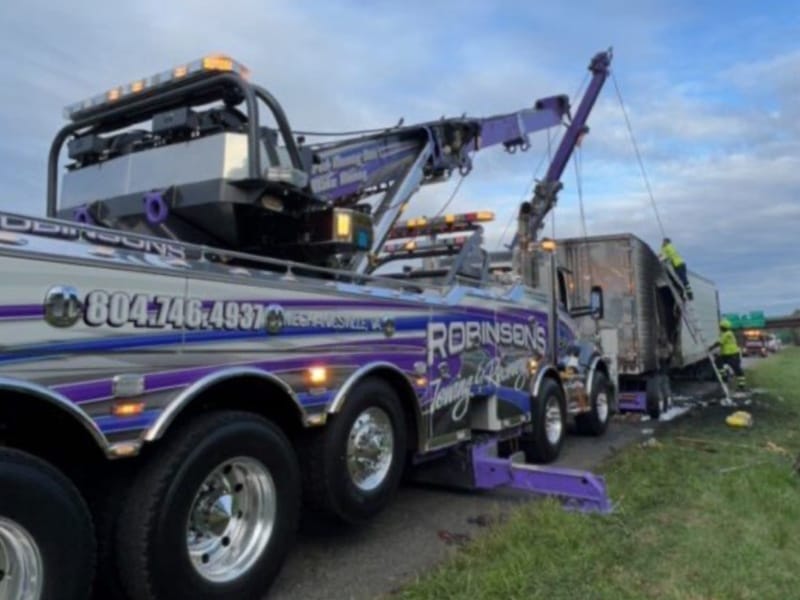
A rig had spun out near the I-64 and I-295 interchange just east of Richmond. The driver was still sitting in the cab when he called, unsure whether to stay put or get out. The shoulder was narrow, traffic was starting to pick up, and he could hear engines getting louder behind him. That first handful of minutes after a semi accident can feel like an hour, and what you do in that window matters more than most drivers realize. When we handle I-64 semi towing calls in the Mechanicsville area, we see the aftermath of good decisions and bad ones, and the difference usually comes down to what happened in those first ten minutes.
Get Yourself and Your Passengers to Safety
Your first job is staying alive. If the truck is still running and you can move it even a few feet onto the shoulder, do it. If you can’t move it, turn on your hazards, grab your phone, and get out on the passenger side if traffic is passing on the left.
Make Your Important Phone Calls
A lot of drivers want to call their dispatcher or their towing company before they call 911. Don’t. Virginia State Police need to know there’s a commercial vehicle blocking or partially blocking I-64, especially during morning or evening rush. They’ll get units out to control traffic and start the incident report you’ll need for insurance.
Once you’ve made that call, then reach out for I-64 semi towing. We work directly with state police and local agencies through the VDOT Quick Clearance program, so when you call us, we’re already coordinating with the responders on scene.
Set Up Reflective Triangles If You Can Do It Safely
Federal law requires you to set triangles within ten minutes of stopping, but only if it’s safe. If you’re on a curve or in heavy traffic, don’t risk it. We’ve responded to I-64 semi towing calls where drivers got clipped while setting triangles because visibility was poor or traffic was moving too fast.
If you do set them, place one about ten feet behind the truck, one at 100 feet, and one at 200 feet. On I-64 near the Hanover County line, where traffic moves at 70 or faster, those triangles give approaching drivers a fighting chance to slow down. If you’re in a construction zone or near an exit ramp, adjust the placement so they’re visible from a distance.
Document the Scene While You Wait
Pull out your phone and start taking photos. Capture the position of your truck, any damage, road conditions, skid marks, and the surrounding area. If another vehicle was involved, photograph their vehicle too, along with their plate number. Insurance companies and investigators want to see what the scene looked like right after the accident, not an hour later after everything’s been moved.
We see this all the time on I-64 semi towing jobs. Drivers who document the scene have a much easier time with their claims. Take wide shots and close-ups. If there’s debris, photograph it. If the road was wet or icy, get that in the frame.
Write Down What You Remember
Your memory will fade fast. While you’re waiting for help, jot down notes on your phone or a piece of paper. What time did it happen? What were you doing right before the accident? Was the road wet, icy, or clear? Did another driver cut you off or brake suddenly? These details help later when you’re filling out reports or talking to investigators.
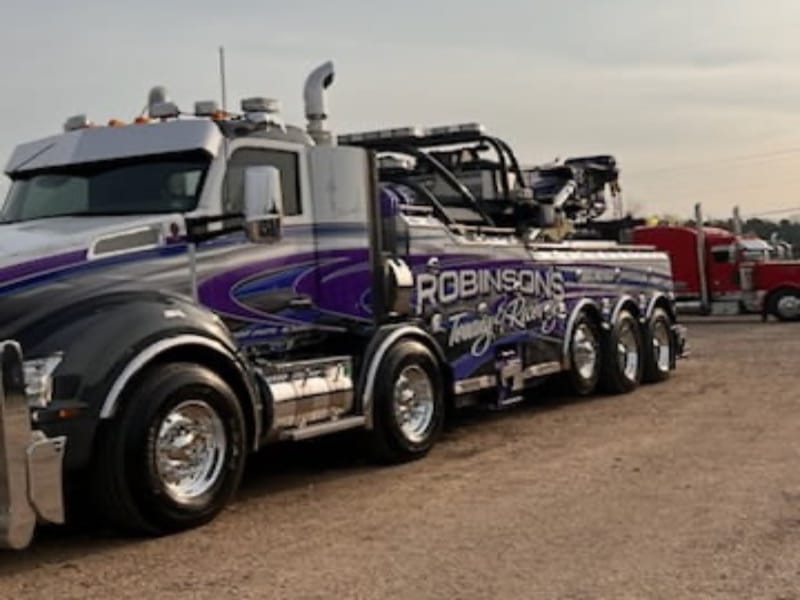
Robinson’s Towing & Recovery Handles I-64 Semi Towing
We’ve been running I-64 semi towing calls for years, and we know the stretch between Richmond and Hanover County as well as anyone. Whether it’s a jackknifed trailer near the Atlee exit, a breakdown at the I-295 split, or a collision in a construction zone, we’re set up to respond fast and work with state police to clear the road. Our team is WreckMaster trained, and we participate in the VDOT Quick Clearance program, so we’re already coordinating with authorities before we even arrive on scene.
Most of the I-64 semi towing jobs we handle involve drivers who did the right things in those first ten minutes. They got to safety, called for help, and stayed put. The ones who didn’t often end up in worse situations, whether that’s a secondary accident, a citation, or a much longer delay. We’re available around the clock, and when you call, we answer within three rings. If your rig goes down on I-64, we’ll get to you, get you safe, and get your truck where it needs to go.
FAQs
What should a truck driver do first after a highway accident?
Check for injuries and get out of moving traffic if possible. If the truck can move, pull to the shoulder or another safe spot before making longer calls.
Should I call 911 after a semi crash?
Yes, if anyone is hurt, traffic is blocked, fuel is leaking, or another vehicle is involved. Police can help control traffic and create the report your carrier may need.
When should warning triangles be placed?
Place them only after you are out of immediate danger. They should be far enough back to give approaching drivers time to slow down.
Is it safe to take photos after a crash?
Yes, but only from a safe spot. Take wide photos of the truck position, road surface, damage, debris, and any other vehicles involved.
Should a driver move cargo after a crash?
No. Leave cargo, straps, trailer doors, and spilled freight alone until police, insurance, or the recovery crew can review the scene.
What details should dispatch get after a semi accident?
Give your travel direction, nearest marker, lane position, trailer type, cargo concerns, injuries, and any spill details. Clear information helps send the right help faster.