
Clearing the Roads in the Dead of Night
Vehicle breakdowns and semi-truck incidents can happen at any hour, but nighttime brings a new set of challenges for I-64 heavy towing and recovery. Darkness affects visibility, increases risks for traffic control, and changes how operators approach every step of the job. Understanding these differences is essential to managing breakdowns safely and getting heavy vehicles back on the road as quickly as possible.
When accidents happen after dark, response times and roadside safety become top priorities. Fewer cars on the road can make access easier, but unpredictable visibility and tired drivers mean extra precautions are needed at every scene. At night, everything from logistics to operator awareness must shift to match the hazards unique to late-hour work on I-64, VA, and nearby highways.
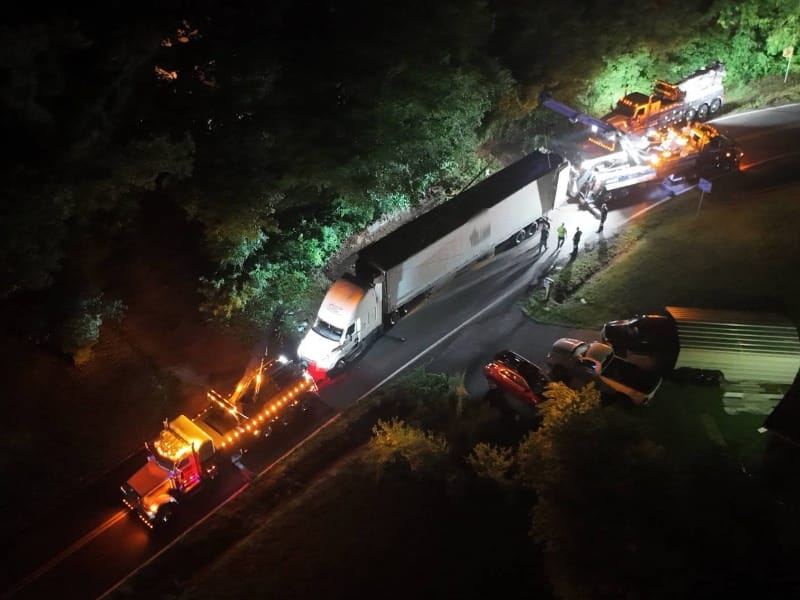
Why Nighttime Heavy Recovery Requires Special Skills
After sunset, highway lighting can be uneven, blind spots appear, and drivers have slower reaction times. That means our I-64 heavy towing crews must adapt, using extra lighting and reflective gear, and taking greater care with lane closures and detours. Recovery operators rely on teamwork and clear communication to set up safe zones, especially at busy or curved sections of I-64, I-95, or I-295. At night, every move is planned to protect both crew and stranded motorists.
Some of the skills nighttime heavy recovery demands include:
- Setting up illuminated work zones and detours well before the breakdown site
- Communicating clearly with law enforcement, emergency responders, and other drivers
- Performing extra gear inspections and safety checks in low-light conditions
- Planning for longer work times due to reduced visibility and increased hazards
Visibility Solutions for Nighttime Recoveries
Lighting is a top priority. That’s why we outfit our towing trucks with floodlights, portable lanterns, and reflective cones, illuminating breakdown scenes and recovery areas. Spotters help guide drivers and equipment operators, making sure hazards are seen well before work begins. Proper lighting not only improves safety but speeds up recovery by making each step and every potential obstacle clear during the darkest hours.
Our nighttime visibility strategies include:
- Using mobile floodlights to light up accident scenes
- Placing reflective cones and signage for early driver warning
- Outfit recovery staff in high-visibility vests and gear
- Employing spotters to constantly scan for hidden dangers
Traffic Management and Law Enforcement After Dark
Traffic patterns shift at night, but speeding and drowsy drivers present real dangers. Our I-64 heavy towing crews coordinate closely with law enforcement, setting up advanced warning signs, cones, and barricades. Emergency lights and flaggers alert approaching vehicles, keeping everyone safe. Sometimes, nighttime recoveries require more extensive lane closures than daytime work, adding another layer of planning.
Essential traffic safety steps at night:
- Arranging for lane closures with police assistance when needed
- Deploying extra emergency lights and flares for warning
- Using flaggers to direct traffic safely around the scene
- Monitoring approaching vehicles to watch for erratic driving behavior
Equipment and Preparation for The Night Shift
Working at night changes how equipment is inspected and used. We check all gear for working lights, reflective tape, and backup power. Loading cranes, winches, and roadside safety systems all must be ready, since breakdowns can happen miles from the nearest town. For I-64 heavy towing, nighttime jobs aren’t just daytime recoveries under lights; they’re planned with unique risks in mind.
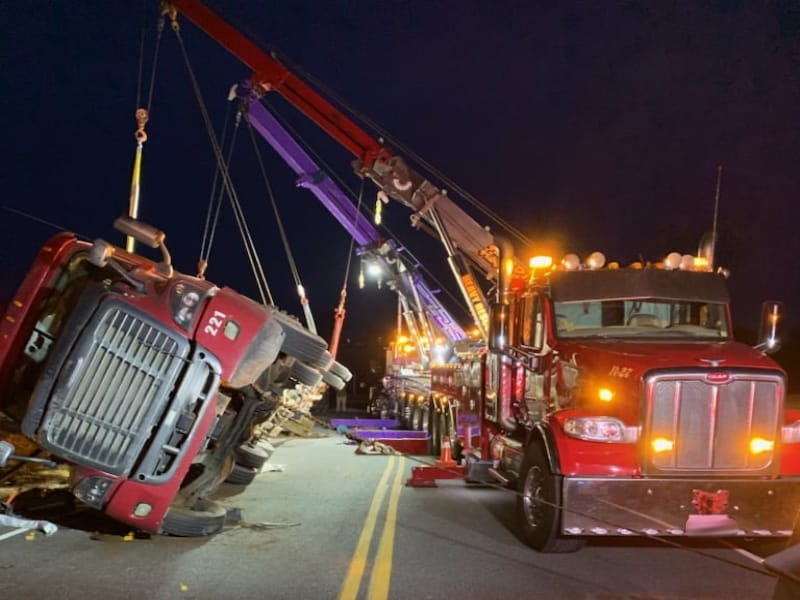
Robinson’s Towing: I-64 Heavy Towing and Night Recovery Experts
At Robinson’s Towing, our I-64 heavy towing teams train for the unexpected. Our night recovery protocols involve extra checks, well-maintained lighting and safety equipment, and close coordination with local authorities. We can handle your jackknifed semi, cargo spill, or multi-vehicle breakdown. When you call Robinson’s Towing, you get fast, reliable I-64 heavy towing help. No matter the hour or the challenge.
FAQ
1. Why is heavy recovery at night riskier than during the day?
Nighttime recovery faces low visibility, unpredictable drivers, and uneven lighting. Crews need extra lighting, reflective gear, and detailed traffic management to maintain safety and minimize risks for operators, motorists, and all lane closures.
2. What special equipment do crews use for nighttime recoveries?
Crews rely on floodlights, portable lanterns, reflective cones, and high-visibility clothing. Spotters and traffic control devices help illuminate the scene, warn approaching drivers, and aid safe operation of winches, cranes, or other machinery.
3. How do towing teams work with law enforcement during night operations?
Operators coordinate closely with police to set up lane closures, redirect traffic, and arrange emergency lights or flares. Collaboration ensures quick and safe recovery, reduces delays, and helps prevent secondary accidents after dark.
4. What should drivers do if stranded at night on a highway?
Stay inside your vehicle if possible, turn on hazard lights, and call for help. Avoid standing close to traffic. Give tow operators and law enforcement all needed information about your location and breakdown for fast response.
5. How do crews inspect towing equipment before night calls?
Teams perform extra checks on lights, batteries, reflective tape, and safety gear before heading out. Communication devices, backup power sources, and emergency signals are tested to avoid surprises during nighttime recovery efforts.
6. Does heavy recovery at night take longer than during the day?
Night calls often require more time for setup, inspection, and traffic management due to limited visibility and increased roadside hazards. Careful planning and skilled teamwork help keep delays to a minimum.